
Client
Location
Date
Budget
Project Overview
SITE AREA:
PROJECT AREA:
PROJECT CATEGORY:
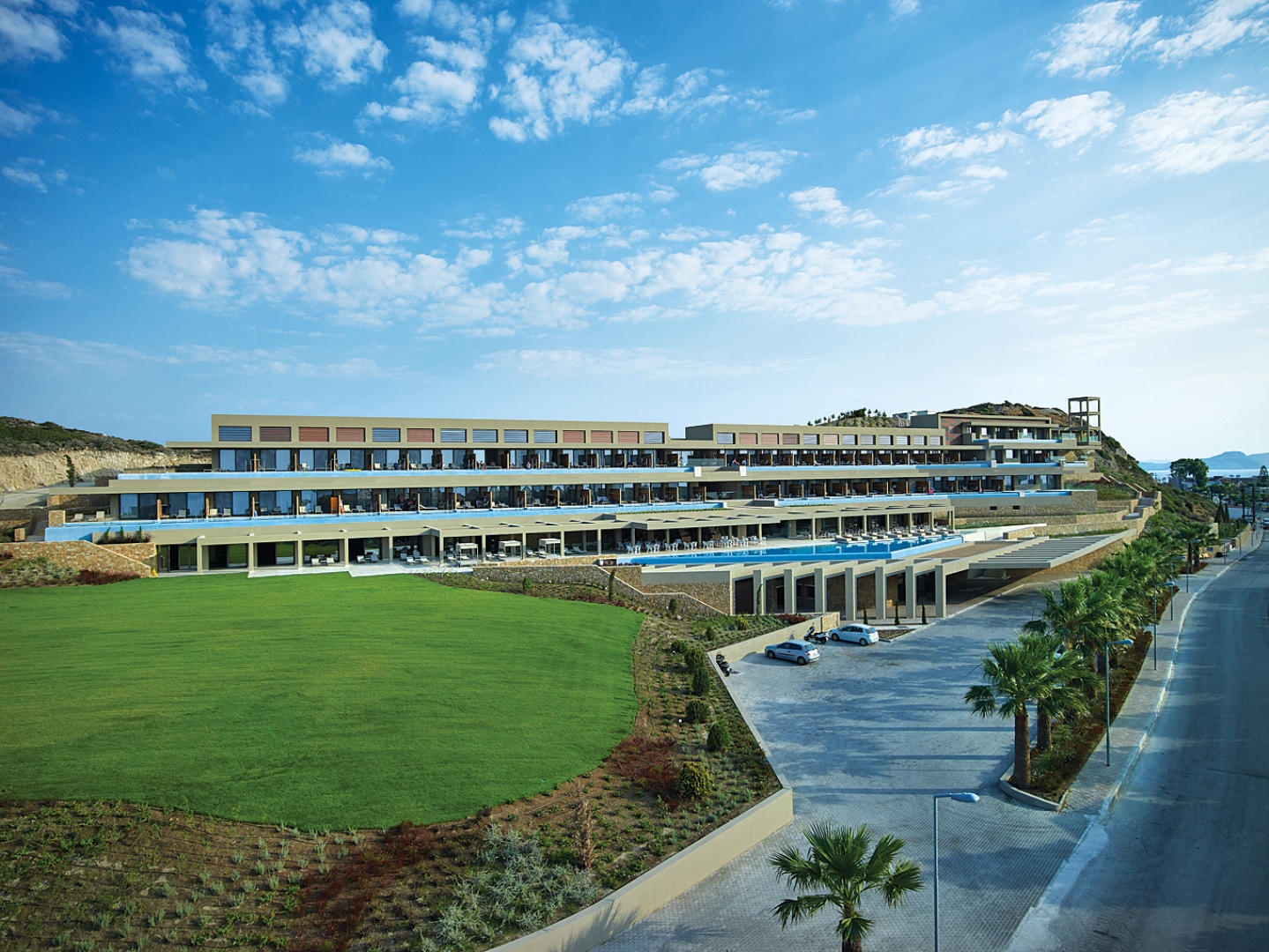
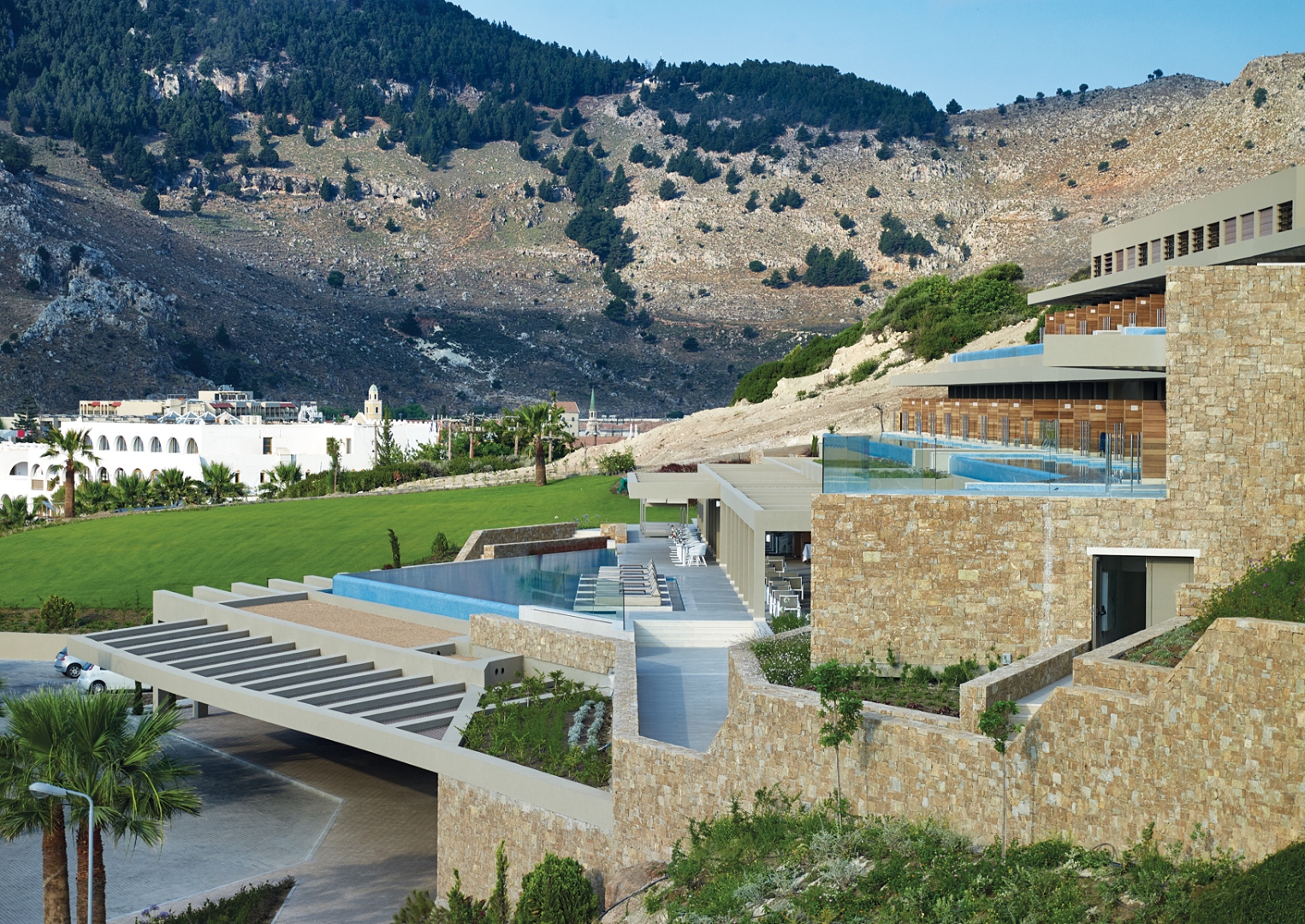
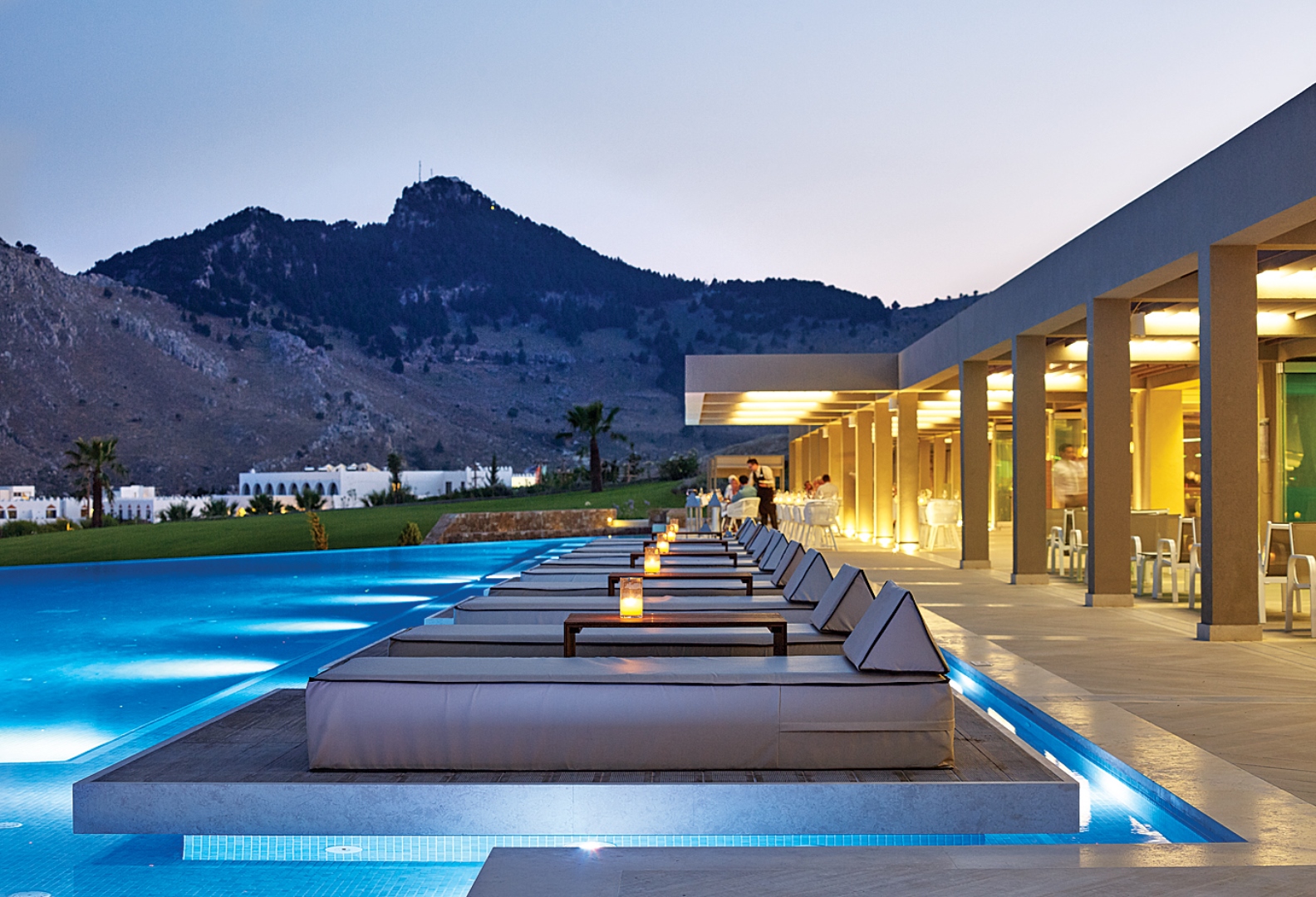
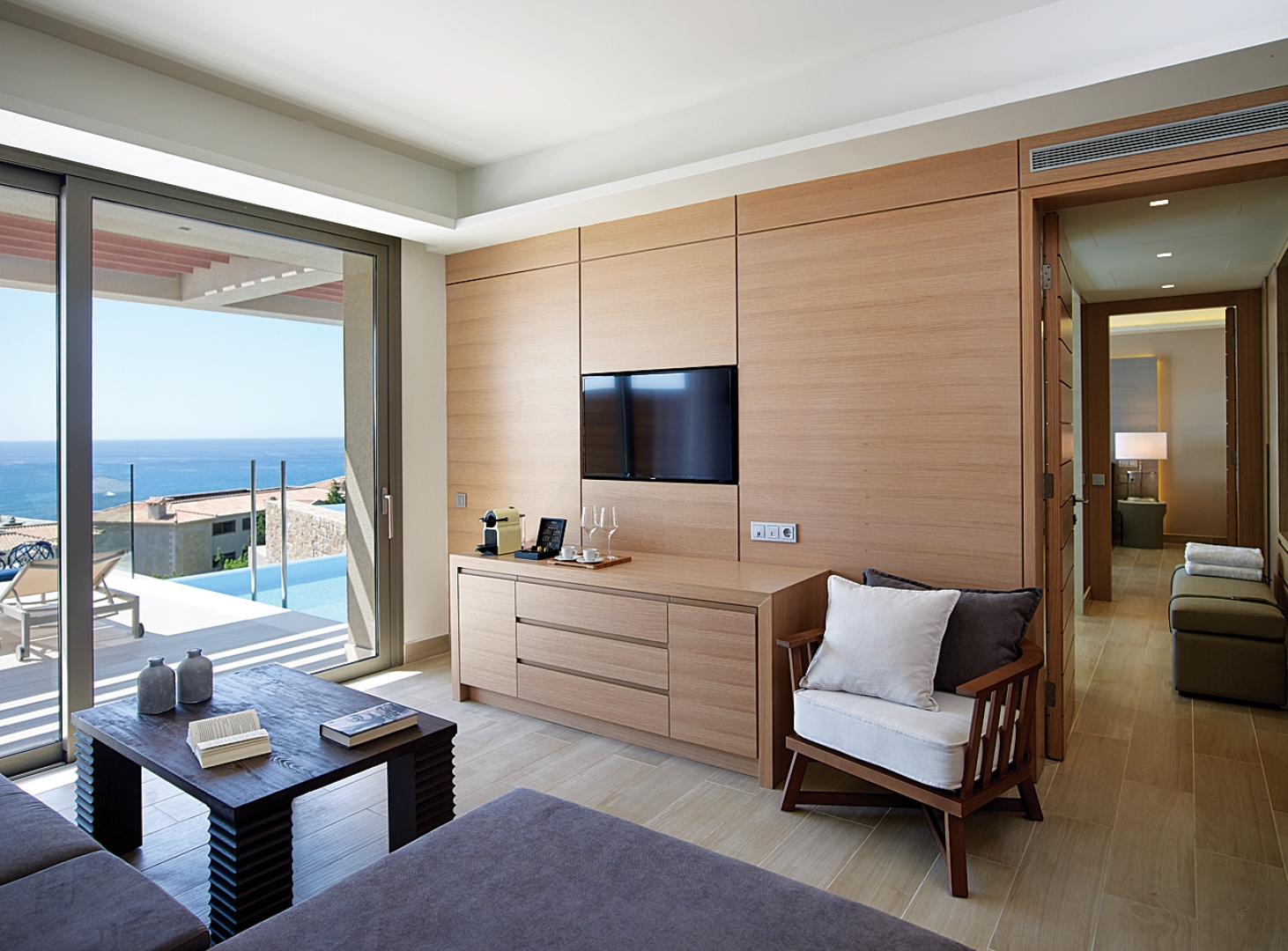
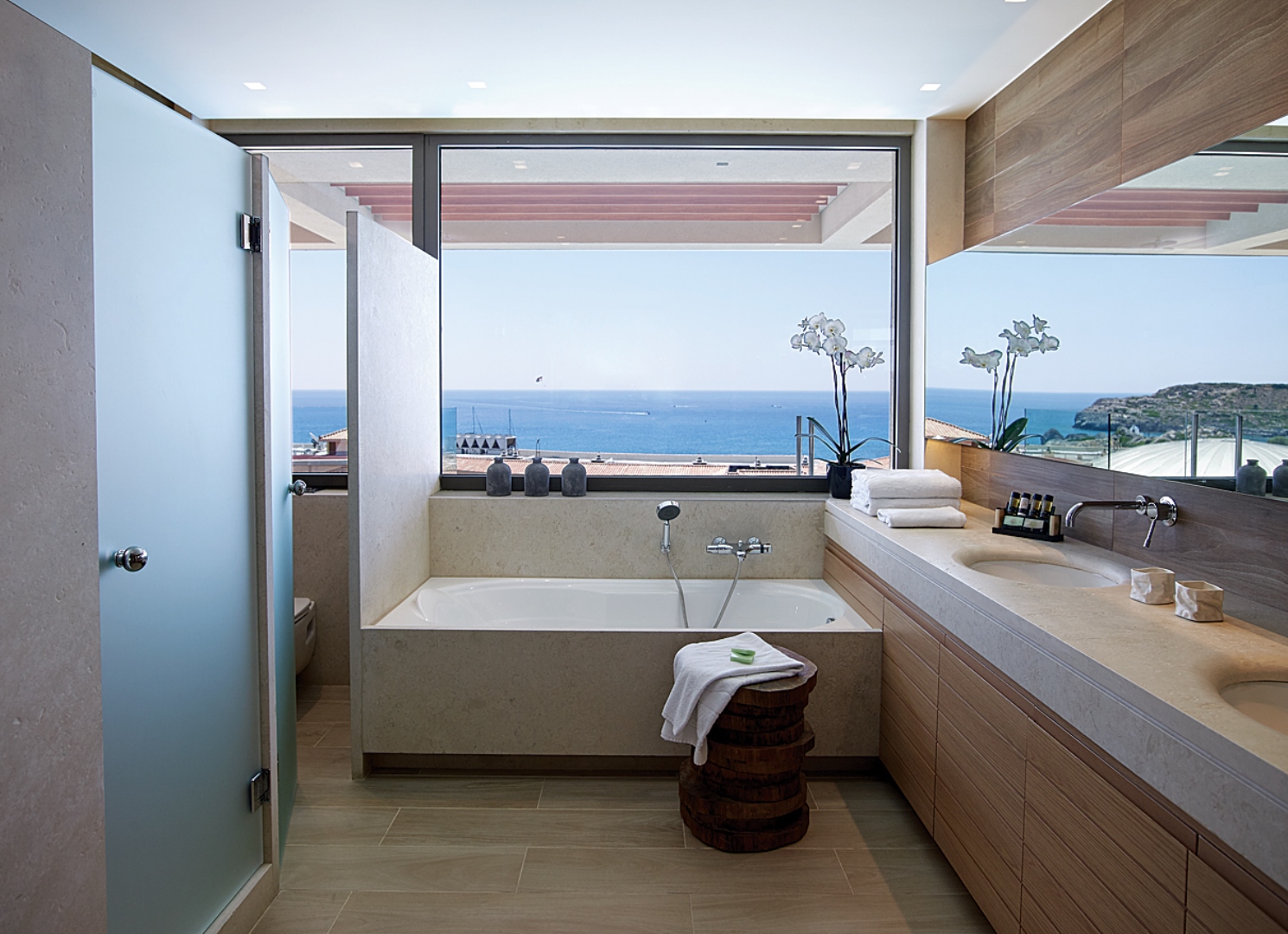
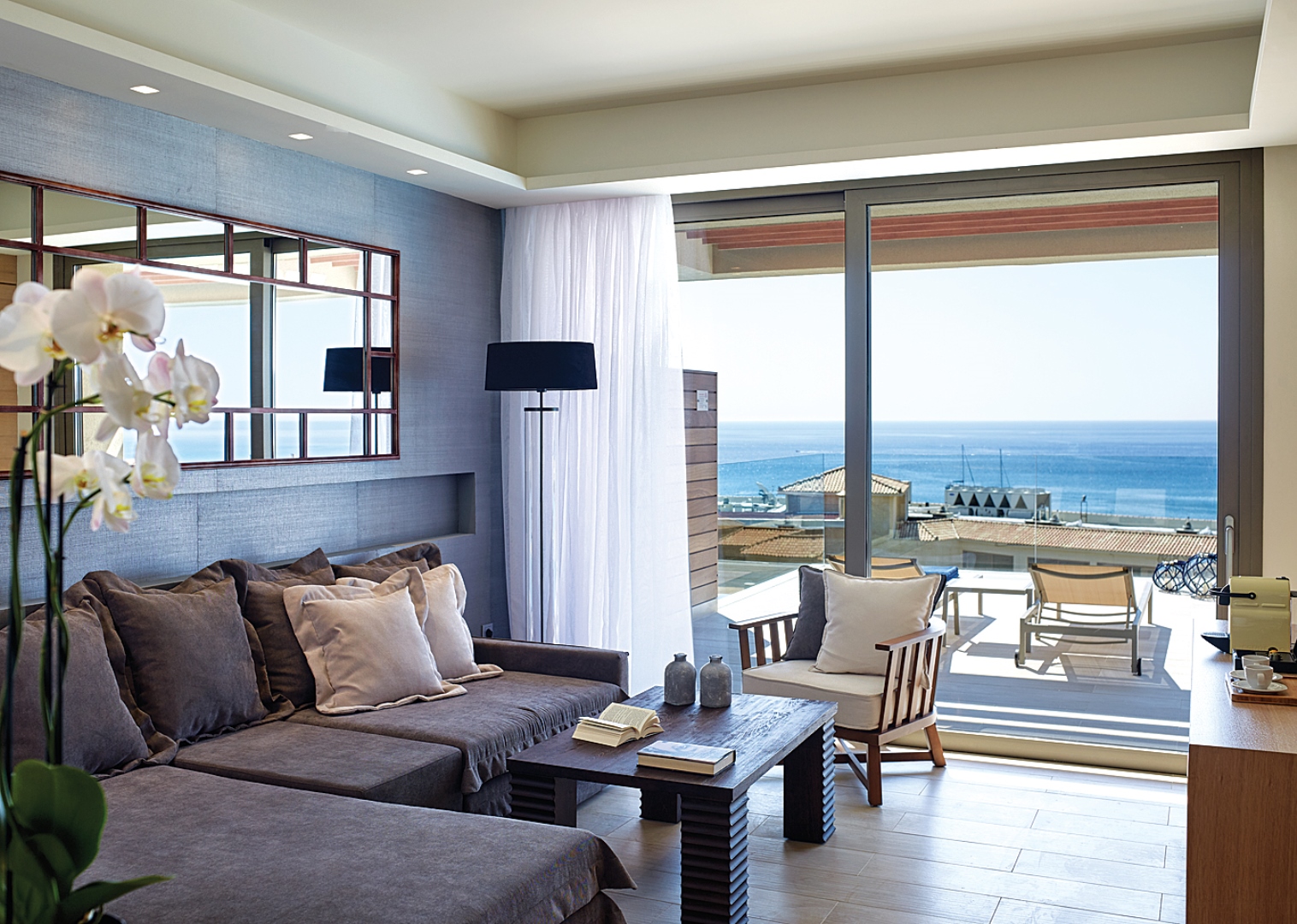
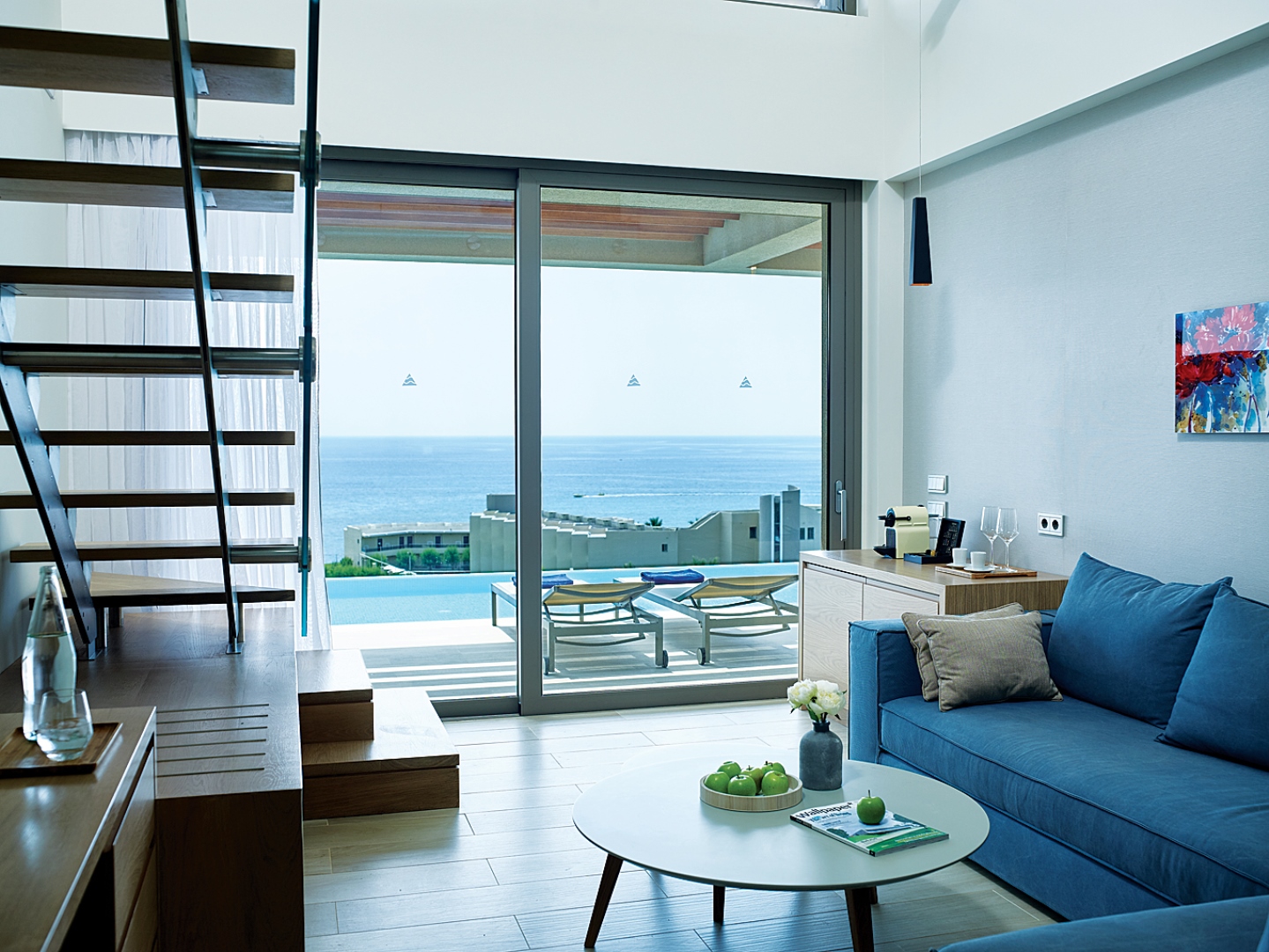
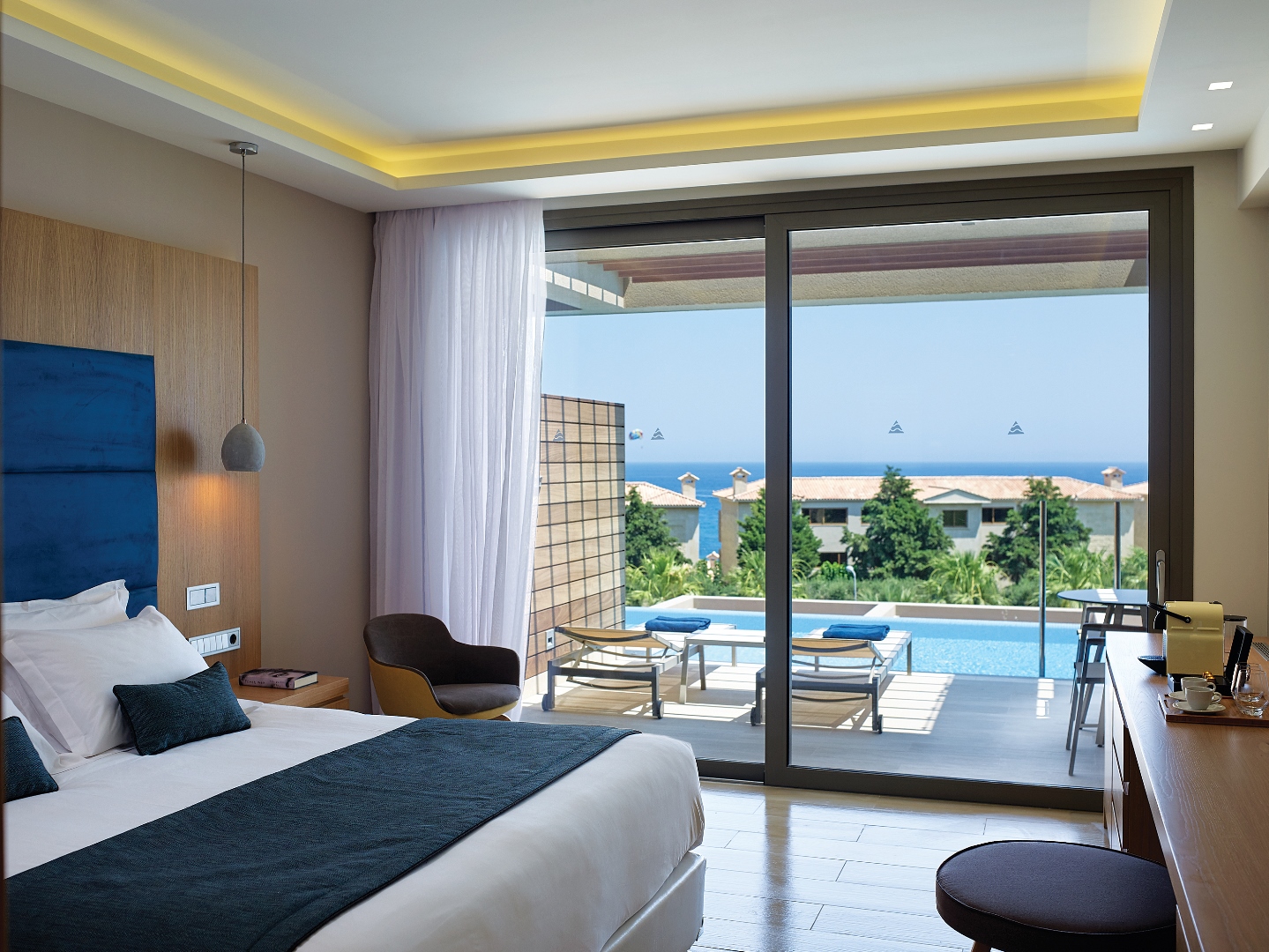
The main concern of the study was the integration of the building into the particularly sloping natural environment, while fulfilling the building program for the creation of 58 guest rooms, with direct expansion of all into private swimming pools. In an effort to transform the peculiarities and difficulties of the plot into advantages, the composition of a linear building with a staggered layout, adapted to the contours of the ground, was chosen, while respecting the restrictions imposed by two-story buildings throughout the complex. The staggered linearity ensures an unobstructed view of the seafront, facilitates horizontal and direct accessibility to all areas, while, through the central staircase, vertical communication of all levels is ensured, creating an easy-to-read “T”-shaped circulation. The main feature of the building is the presence of the liquid element on the largest part of the roofs, which creates the feeling that the building is entirely in the water.
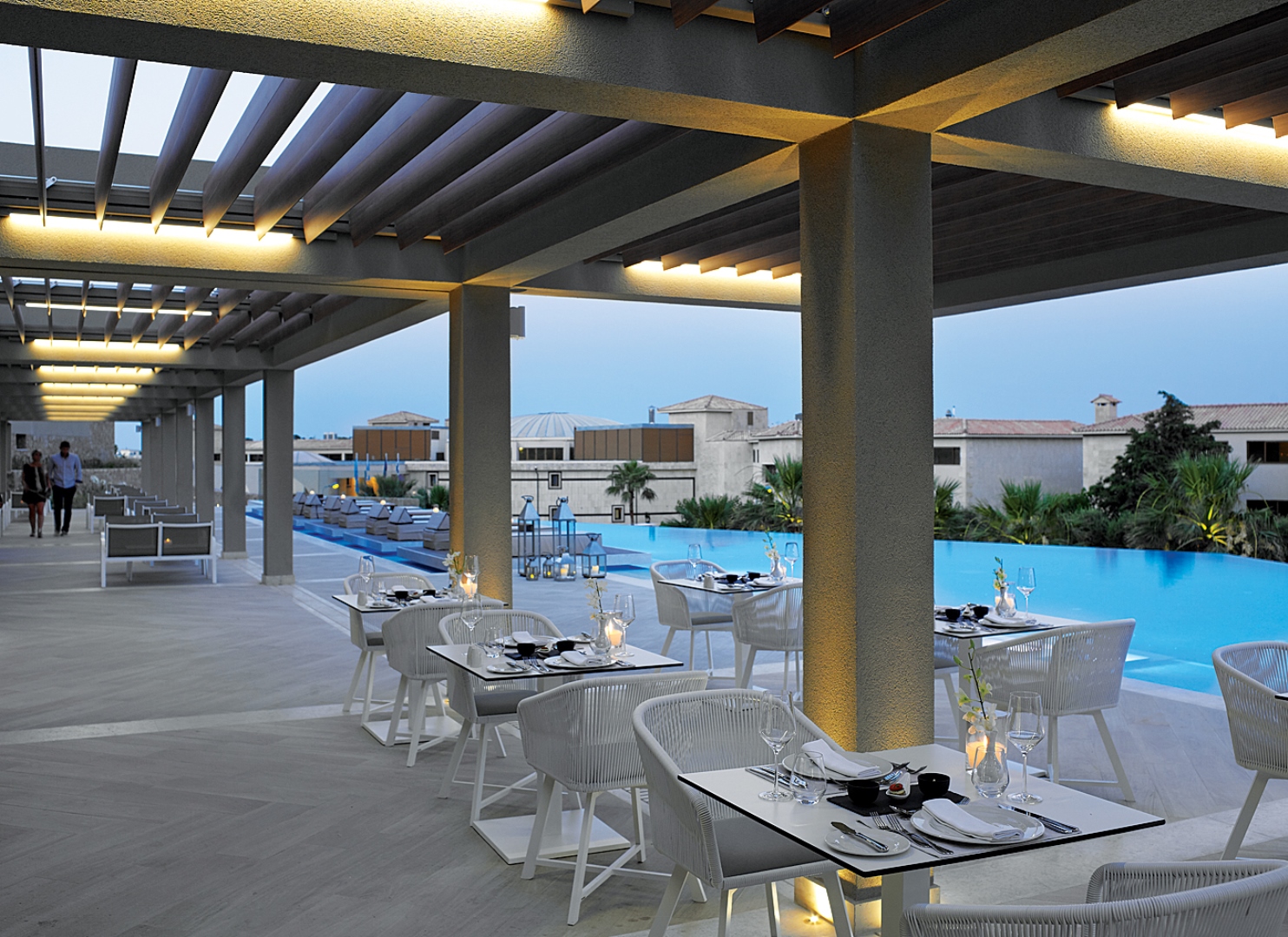
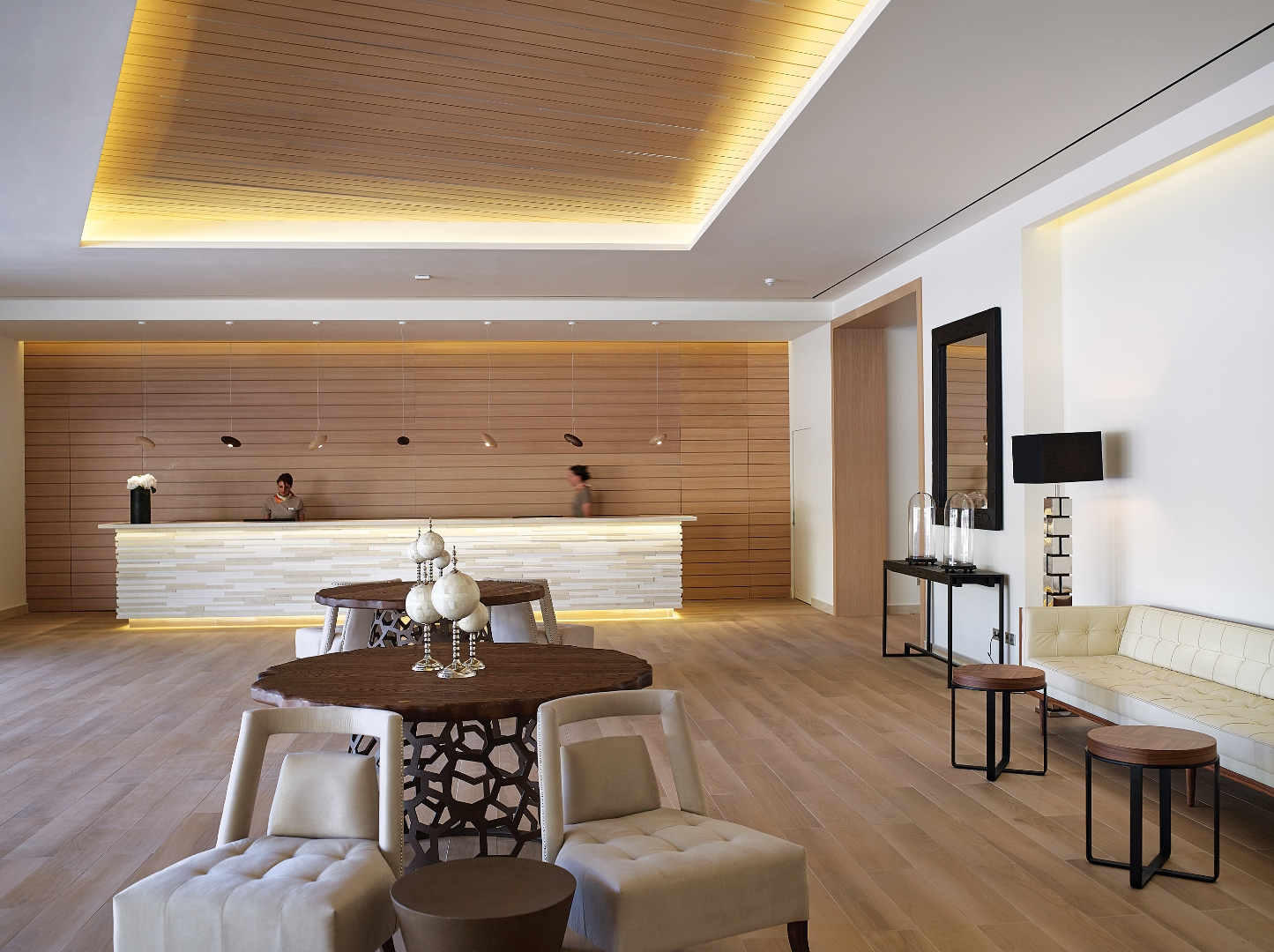
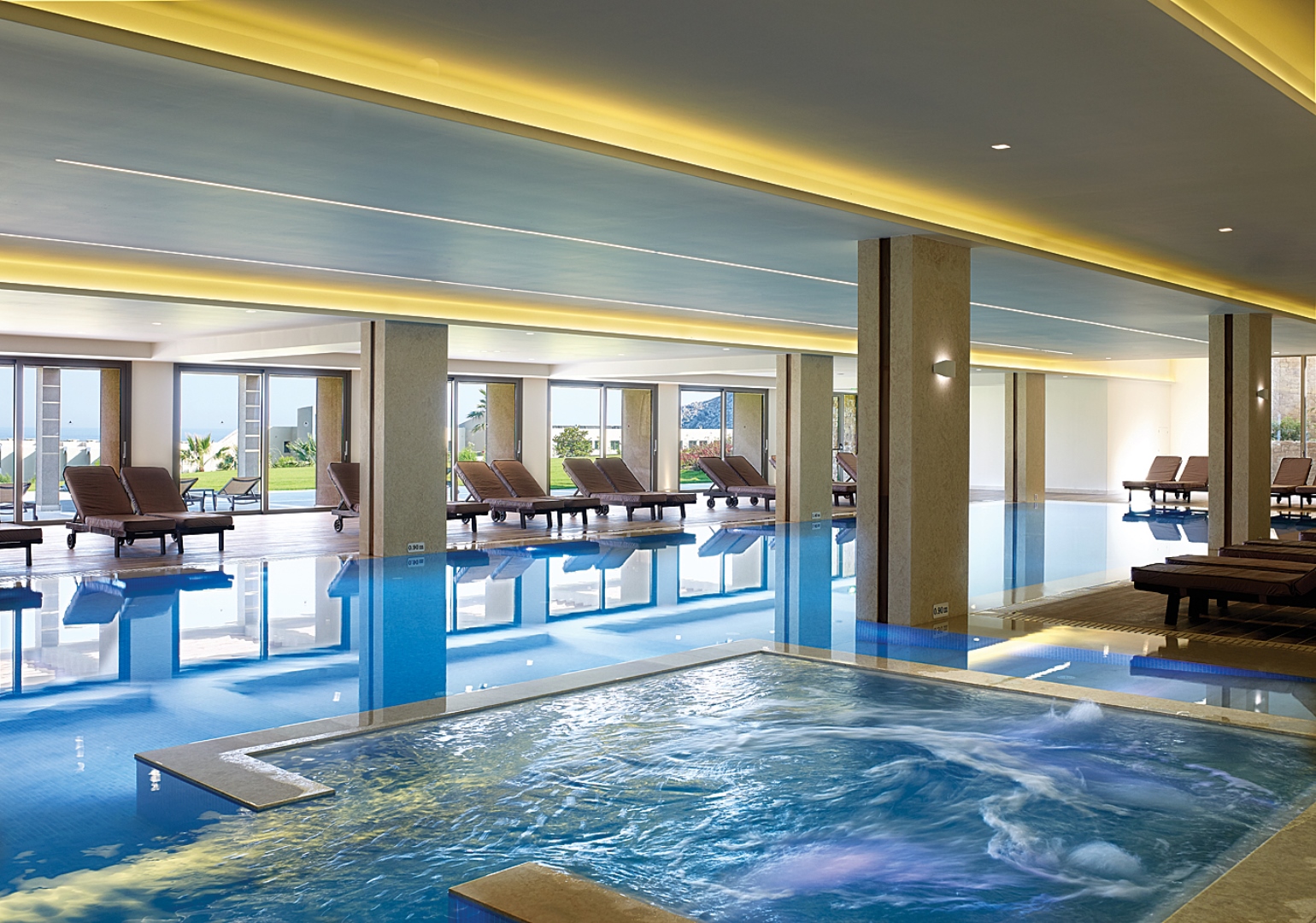
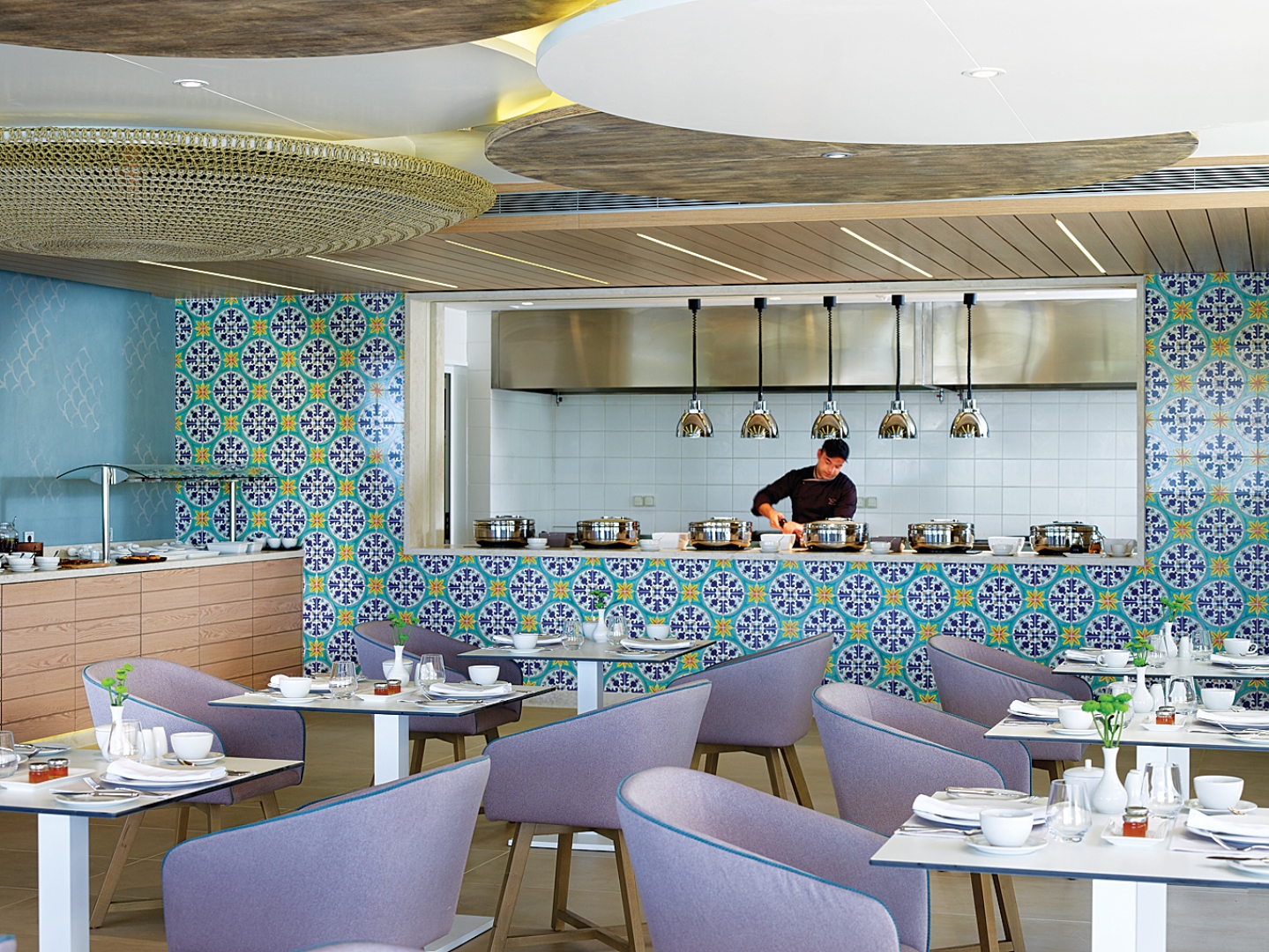
The entrance to the building is located at street level and is marked by the existence of a 12m long cantilevered canopy. On this first level, the minimum required spaces for customer reception and waiting are arranged, with a small seating area, as well as the central gallery leading to the central staircase of vertical communication. The aim was to make it possible for those moving along the gallery to easily perceive, through the openings and atriums, the greater part of the shared functions located on the second level. The main restaurant, the lounge bar, the indoor swimming pool and the gym are arranged on this level, all with direct access to the outdoor area in front of the central swimming pool. On the third level, there are 27 classic rooms, on the fourth, 26 double-height rooms with internal attics, while on the right side and on the final fifth level, there are 5 villas, with direct access to private swimming pools and unobstructed views of the seafront.
Materials and colors were chosen with the aim of better adapting the building to its natural environment, reducing its volume, and maximizing its energy efficiency. For this reason, extensive use has been made of external thermal insulation, thermally broken frames, energy-efficient glazing and projecting roofs with electrically operated blinds on them and on the facades. To cover the building’s energy needs, besides solar energy, heat pumps are used, the operation of which is based on heat recovery. The building also installed a BMS management system for electricity distribution, heating and air conditioning automation, as well as an LMS lighting management system.
