
Client
Location
Date
Budget
Project Overview
SITE AREA:
PROJECT AREA:
PROJECT CATEGORY:
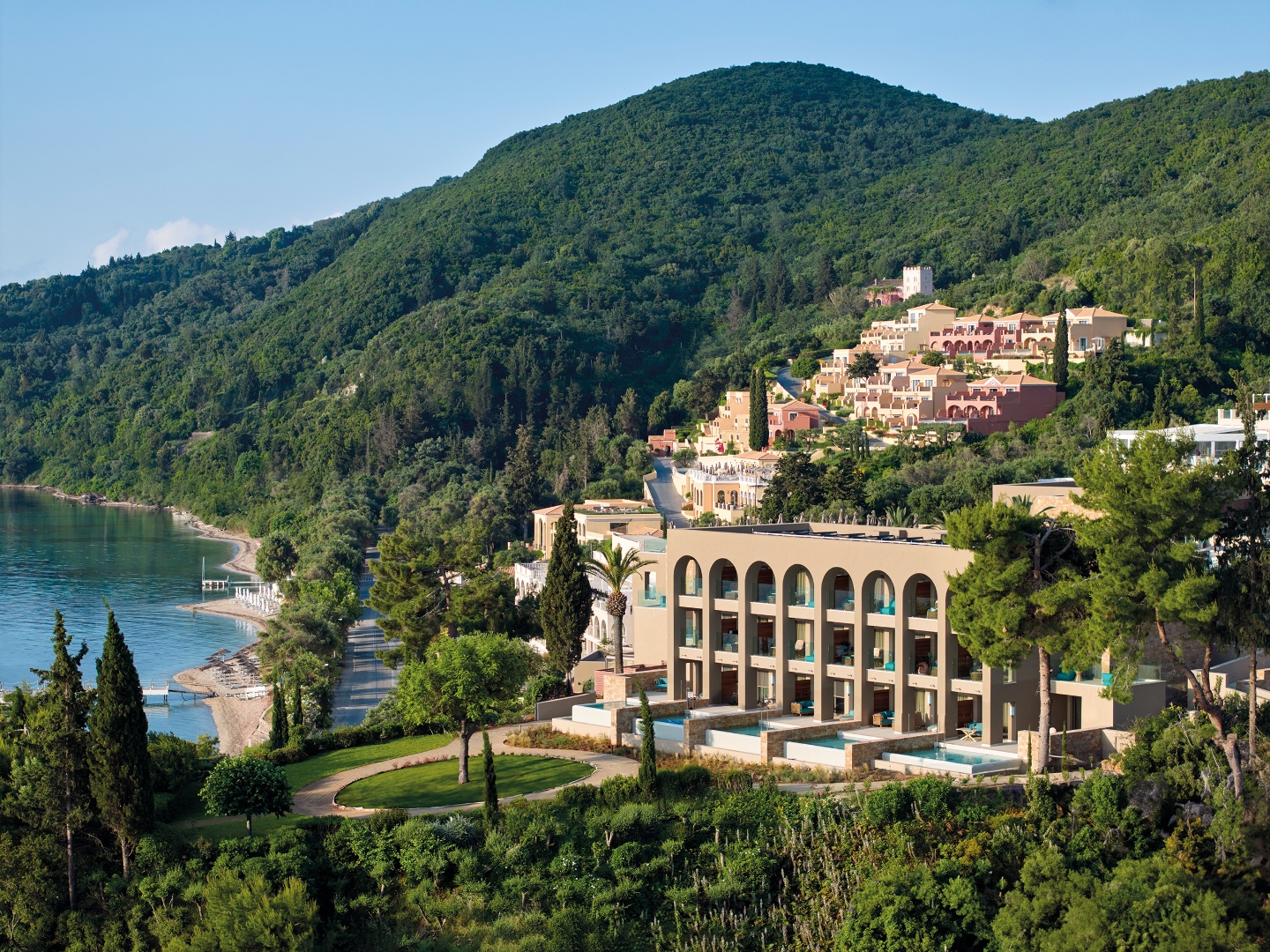
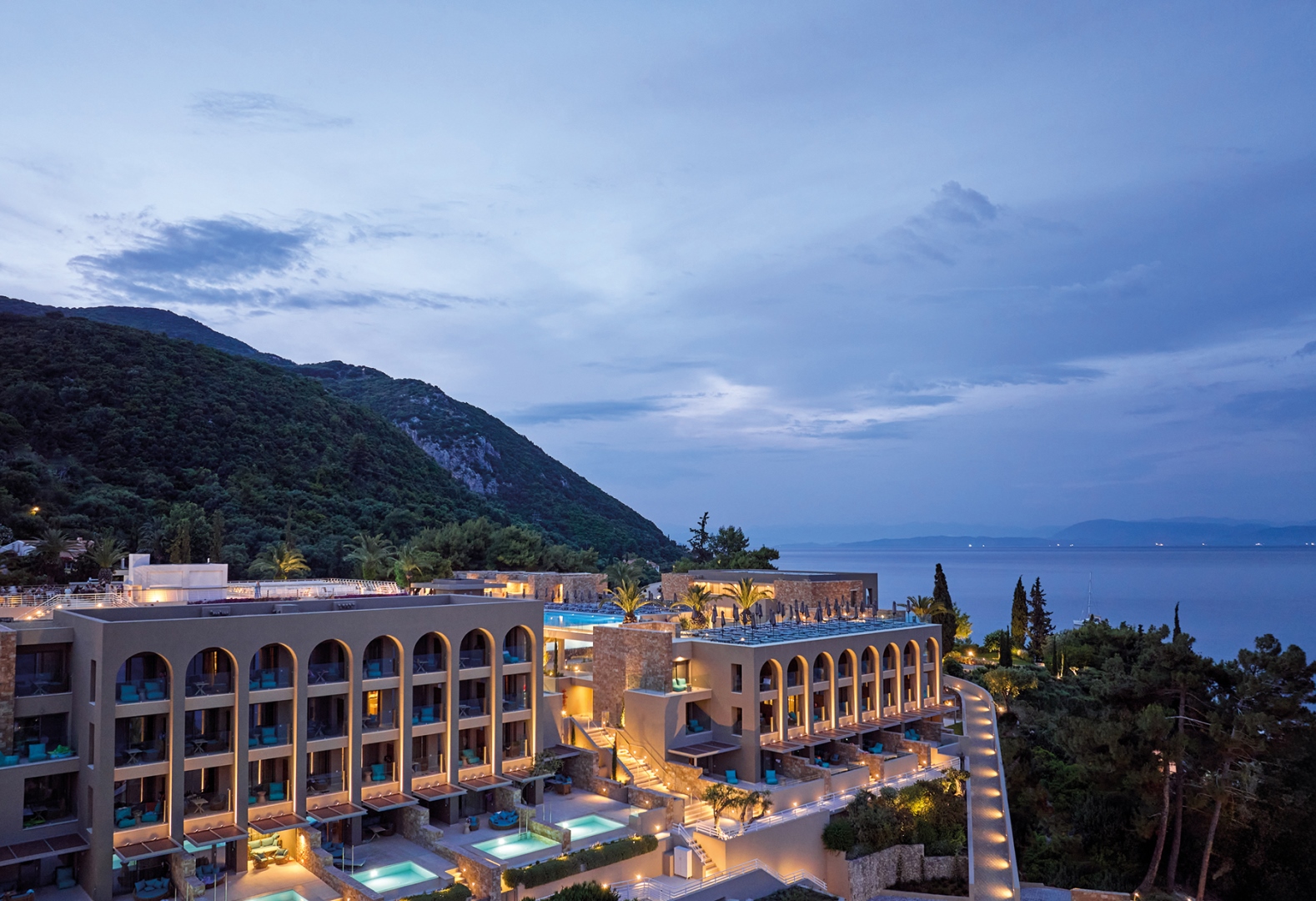
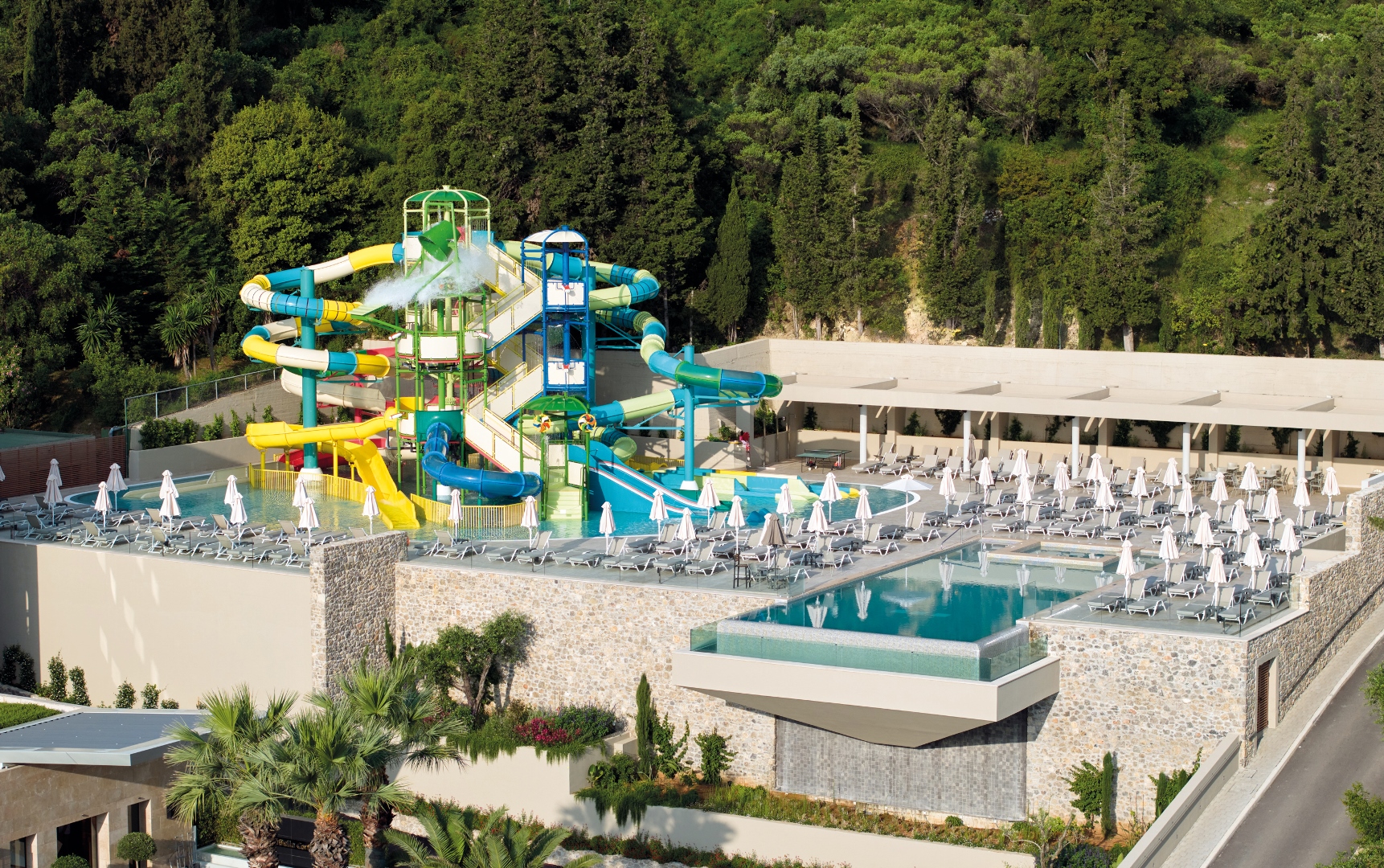
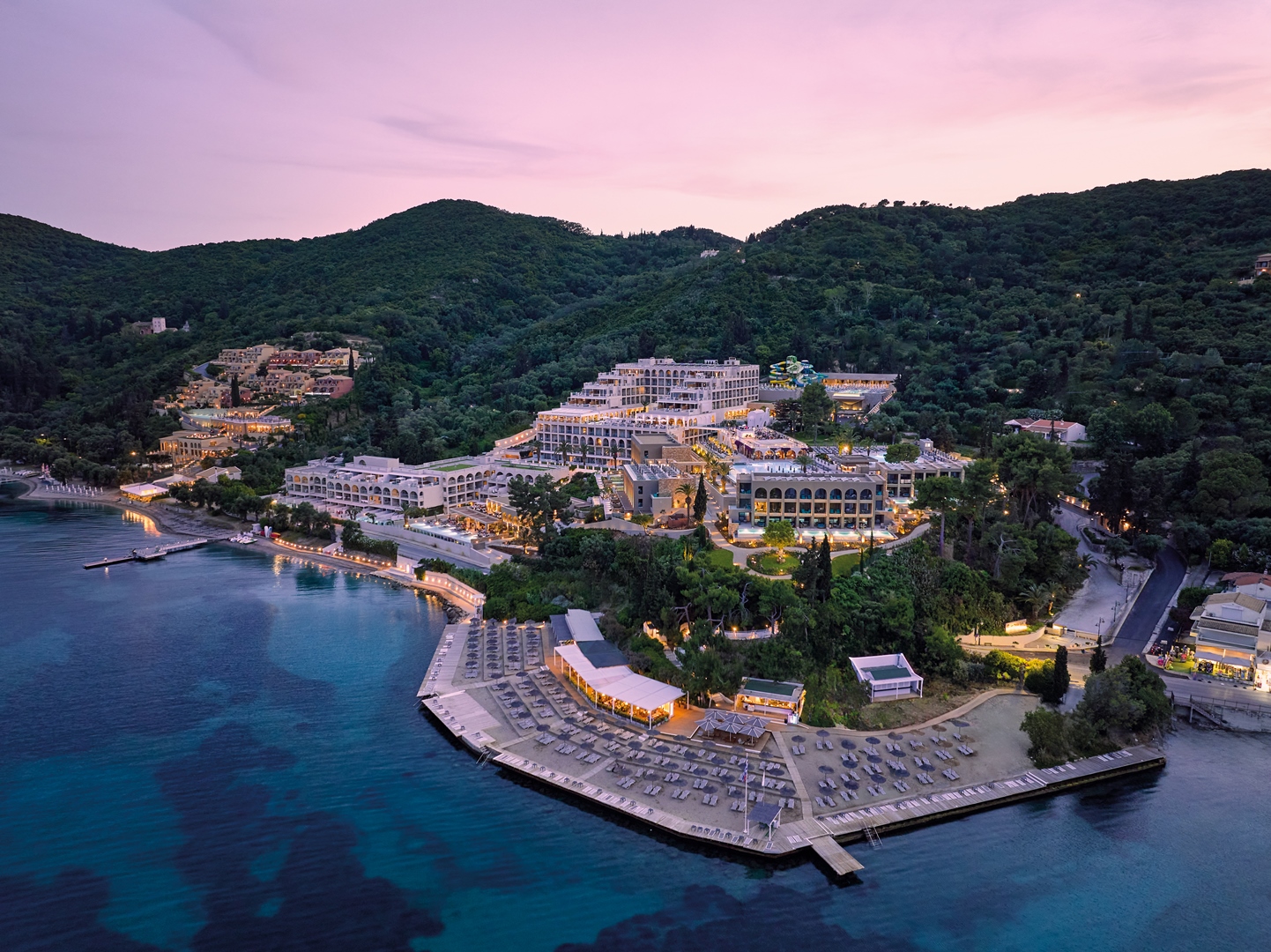
The hotel complex, which began construction in the late 1960s, had as its initial purpose the family hospitality. The small building complex was very quickly expanded with the parallel construction of a tunnel to the beach as early as 1970 and through successive phases it reached its current form of 390 rooms in 1976, while from time to time, various improvement interventions were made. As part of the most recent modernization, it was decided to create two new restaurants, an extensive outdoor relaxation area, swimming pools and a water park. At the same time, the four older room buildings of the complex acquired a new face.
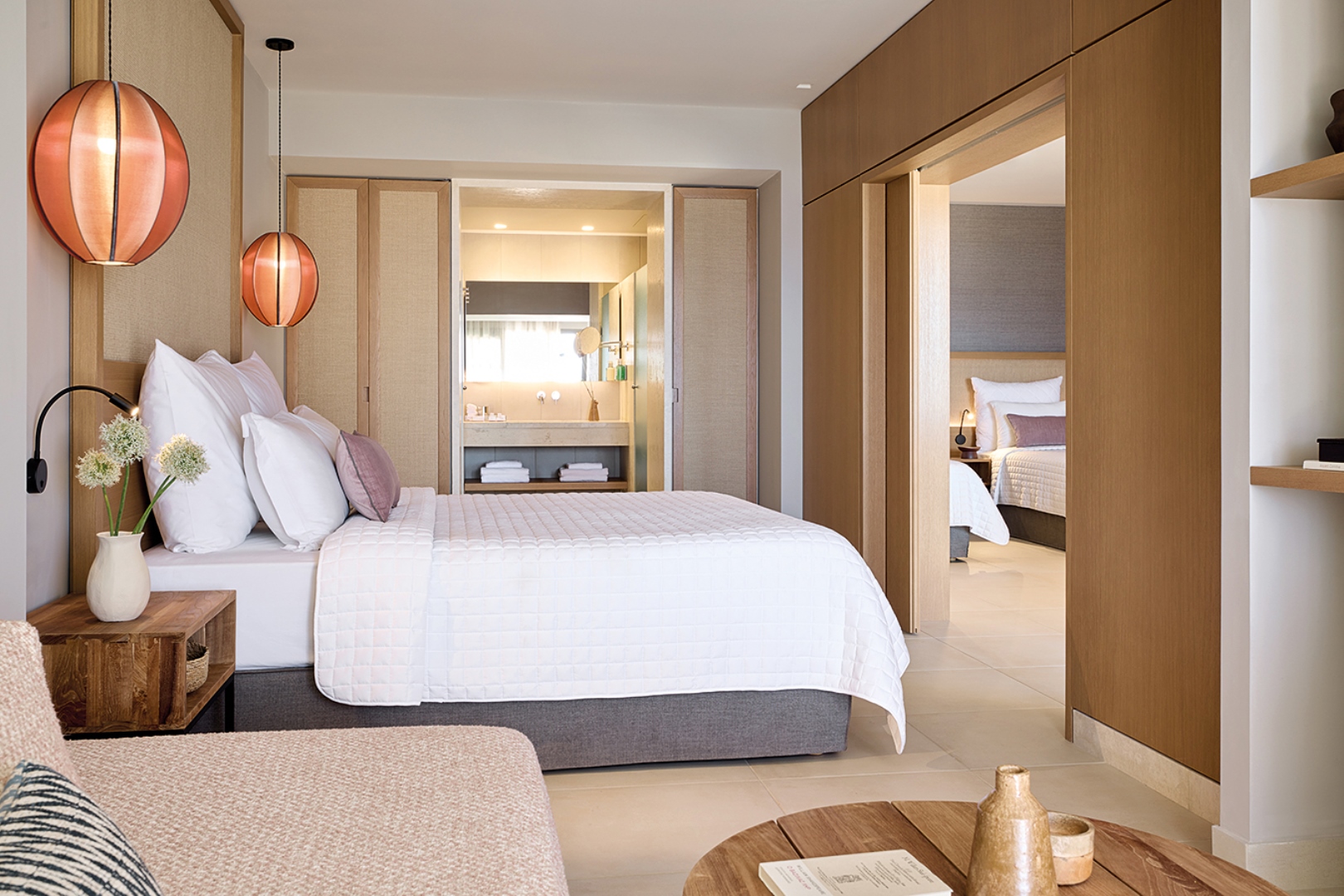
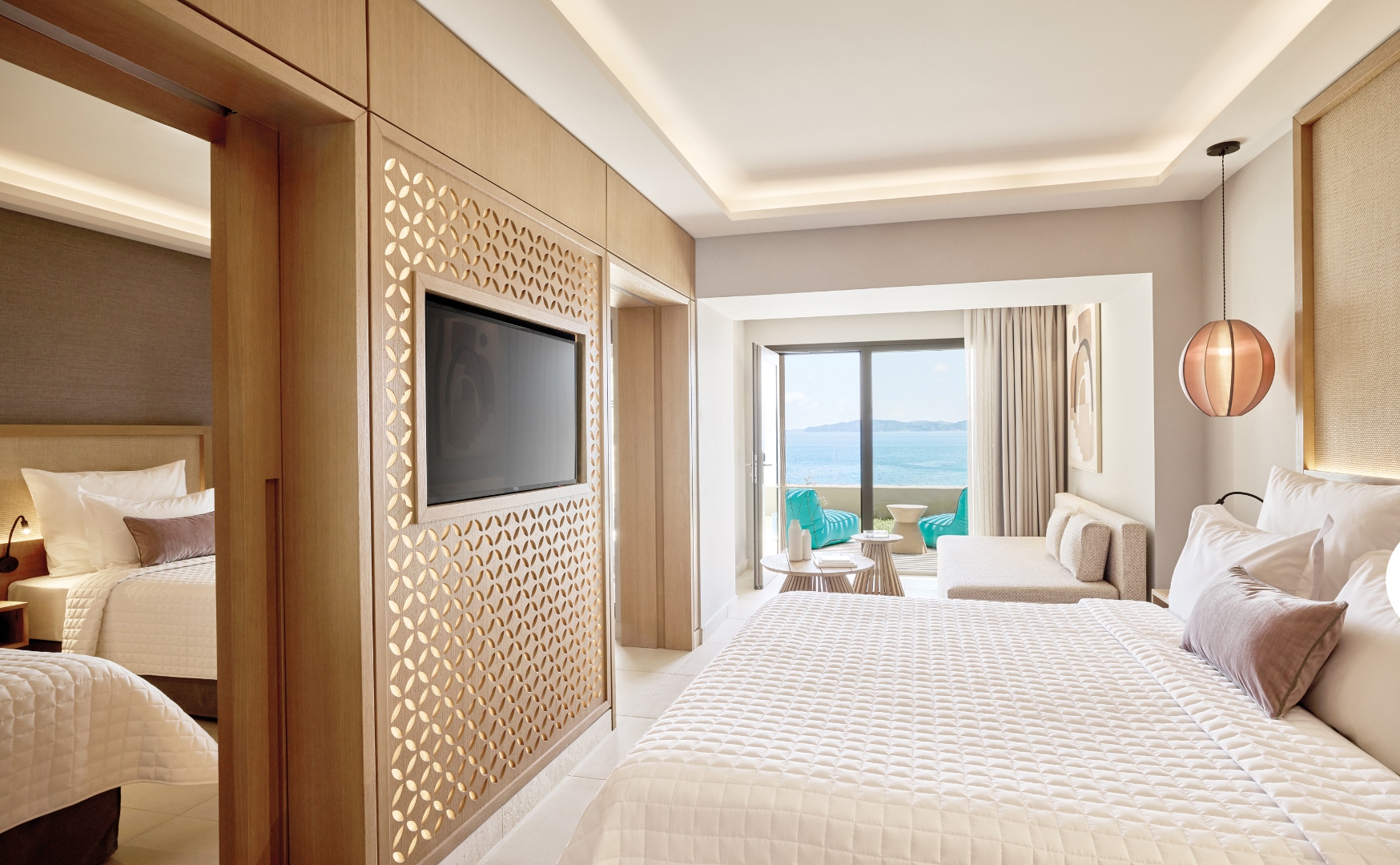
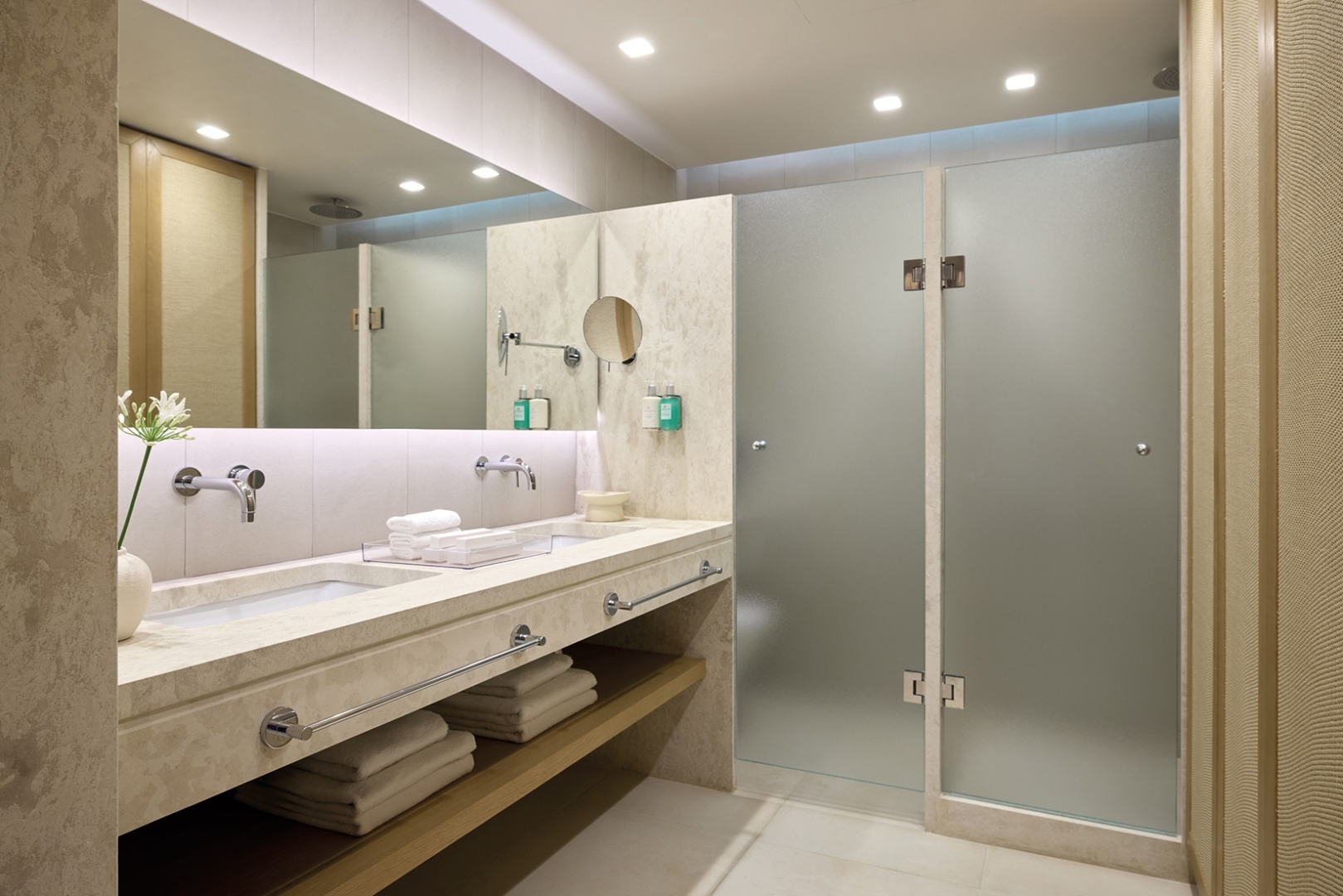
In terms of design, the challenge was to upgrade the guest rooms, especially in terms of technical specifications, within existing shells with a dense grid, low heights for modern standards, and the imperative need to strengthen and renovate their load-bearing structure. Similar issues were resolved in the building of the two new restaurants, along with the need for vertical communication between the two kitchens, which was served by installing an elevator and a staircase inside the building. Based on the results of the static adequacy study, the buildings were reinforced with the addition of walls, footings, columns and beams with reinforced concrete sheaths, as appropriate.
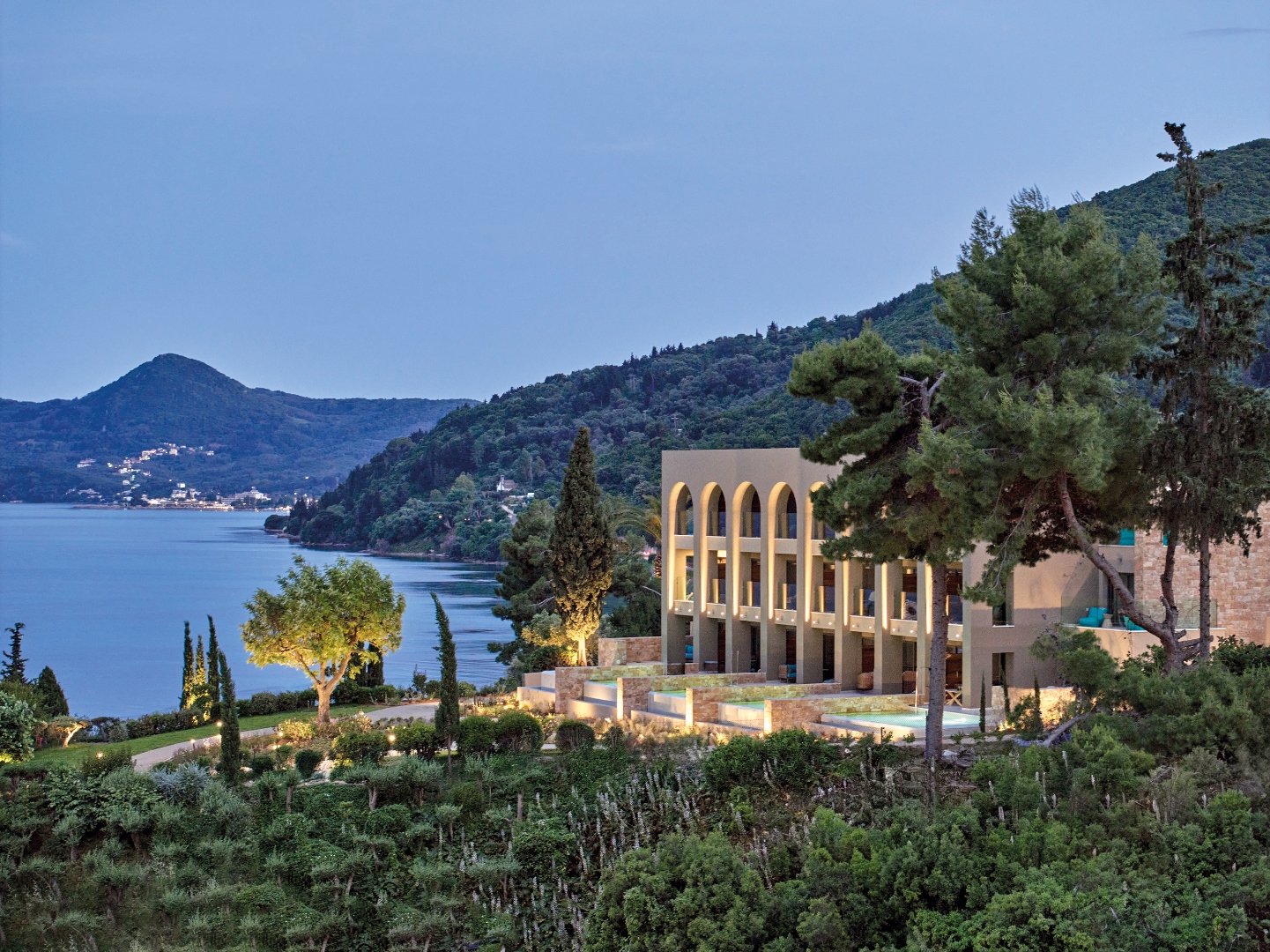
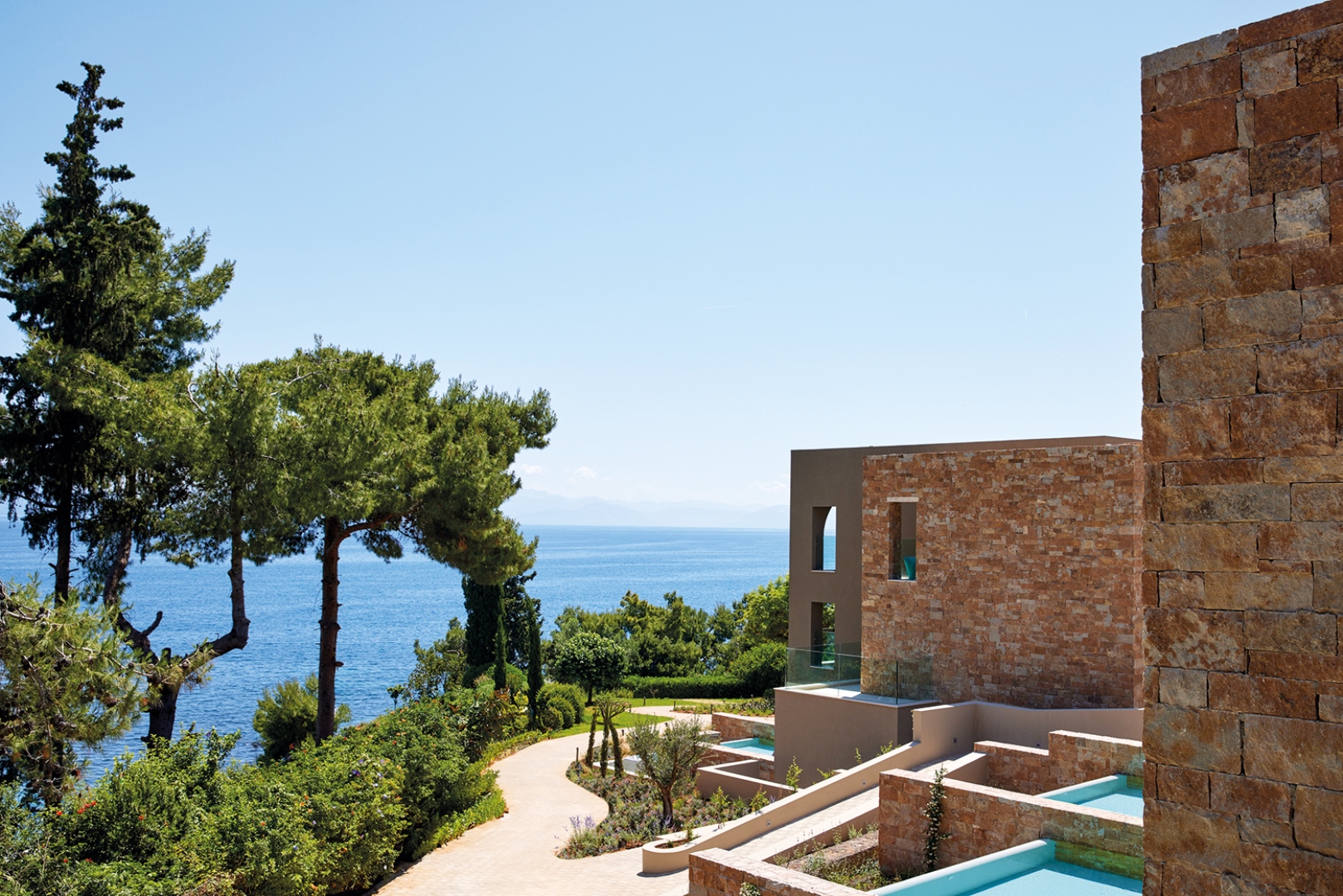
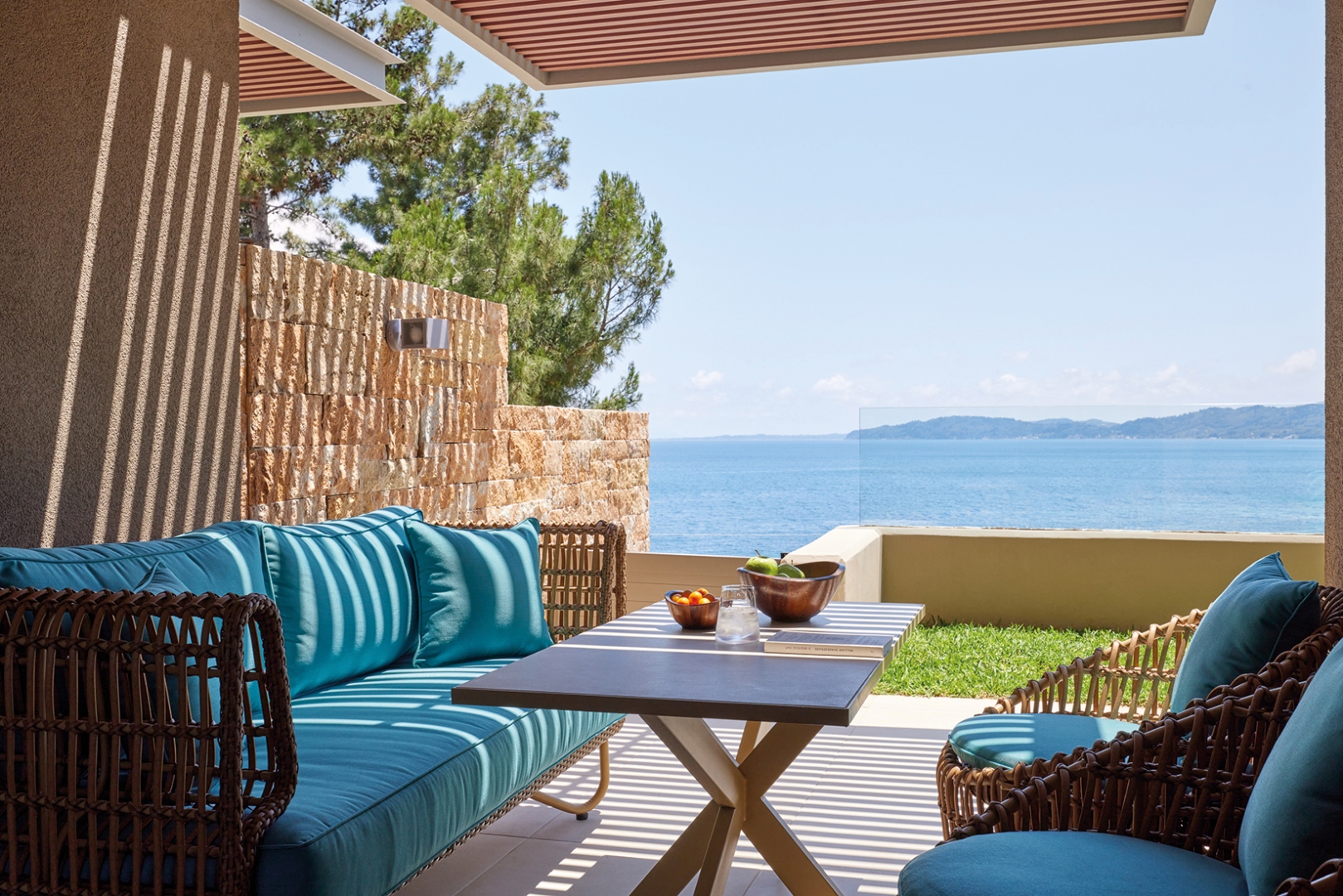
As part of the upgrade of the outdoor relaxation areas, the addition of swimming pools was implemented on the ground floors of the two room buildings, where the size of the gardens allowed it. The design of the courtyard of the new restaurant was carried out in a similar spirit, integrating the water element into the layout. At the westernmost end of the area, two new swimming pools for entertainment and relaxation were added. Taking advantage of the intense terrain, a zone with pergolas for shade is included, facing east with an unobstructed view and at the same time leaning west against the verdant slope. At the heart of the design of this zone is the cantilevered swimming pool, with an artificial waterfall below it, which dominates the arrival area of the complex and provides an upgraded experience. A bold intervention was the optimization of the connection with the central building for direct access to all areas. Through an extensive intervention in the outdoor corridors, with the elimination of traffic stairs and the opening of new corridors, an easily readable network of intersecting horizontal movements was created.
The selection of materials and colors, especially those that form the building shells, was made with the aim of better adapting to the natural environment, reducing their volume and maximizing their energy efficiency. For this reason, extensive use has been made of external thermal insulation, thermally broken frames, energy-efficient glazing, projecting roofs using blinds and stone cladding.
